NDIS Provider Marketing plays an increasingly important role in helping disability service providers improve online visibility, build trust and generate relevant enquiries. Although delivering quality support remains the priority, potential participants, families and support coordinators also need to be able to find and understand your services online.
A strong digital presence makes this process easier. By combining SEO, website design, social media, content marketing and local search strategies, NDIS providers can create a more consistent and professional online presence.

What Is NDIS Provider Marketing?
NDIS Provider Marketing refers to the strategies used to promote an NDIS provider, its services and its brand to relevant audiences.
Depending on the organisation’s goals, a marketing strategy may include:
- NDIS SEO
- Website design and optimisation
- Google Business Profile optimisation
- Social media marketing
- Content marketing
- Email marketing
- Online advertising
- Local marketing
- Brand development
- Reputation management
The goal is not simply to attract more website visitors. Instead, effective marketing should help the right people discover your organisation, understand your services and feel confident about making an enquiry.
Why NDIS Providers Need a Strong Marketing Strategy
Choosing an NDIS provider is an important decision. Before making contact, participants and families may research different providers, compare services and look for information about locations, experience and areas of support.
For this reason, online visibility can have a direct impact on how potential clients discover your organisation.
A well-planned NDIS marketing strategy can help providers:
- Improve search visibility
- Reach relevant local audiences
- Build brand awareness
- Communicate services clearly
- Establish trust
- Generate more relevant enquiries
- Create long-term organic traffic
However, successful marketing is not about being visible everywhere. Instead, the focus should be on reaching the people who are most likely to need your services.
Build an NDIS Website That Generates Enquiries
Your website should be the centre of your digital marketing strategy.
A professional website provides more than basic business information. It gives potential participants and families an opportunity to understand your organisation before they make contact.
Create Dedicated Service Pages
Each important NDIS service should have a dedicated page where appropriate.
For example, a provider may create individual pages for:
- Community participation
- Personal care
- Daily living support
- Supported independent living
- Transport assistance
- Support coordination
- Short-term accommodation
Dedicated service pages make it easier for visitors to find relevant information. At the same time, they give search engines a clearer understanding of the services your business provides.
Use Clear Calls to Action
Once visitors understand your services, they should know what to do next.
Useful calls to action can include:
- Make an Enquiry
- Contact Our Team
- Request More Information
- Discuss Your Support Needs
- Speak With Our Team
Furthermore, contact information should be easy to find on both desktop and mobile devices.
Optimise for Mobile Users
Many people research services using smartphones. Consequently, an NDIS website should provide a smooth experience across mobile, tablet and desktop devices.
Fast loading times, readable text, simple navigation and accessible enquiry forms can all contribute to a better user experience.
Use NDIS SEO to Reach People Searching Online
NDIS SEO can help providers improve their visibility when potential clients search for relevant services.
Rather than focusing only on broad keywords such as “NDIS provider”, consider creating content around specific services, locations and questions.
Relevant search terms may include:
- NDIS provider Sydney
- NDIS support services Melbourne
- NDIS disability support
- NDIS community participation
- NDIS support worker
- Supported independent living
- NDIS personal care
- Disability support services Australia
For example, a provider operating in Sydney may benefit from targeting service and location combinations that accurately reflect its coverage area.
However, keywords should always match the services the business actually provides. Creating pages for locations where you do not operate can create a poor user experience and weaken the overall quality of your website.
Local SEO for NDIS Providers
For many providers, local visibility is more valuable than trying to reach people across the entire country.
Instead of targeting a national audience, an organisation can focus on the suburbs, towns and regions where it genuinely provides support.
A local NDIS marketing strategy may include:
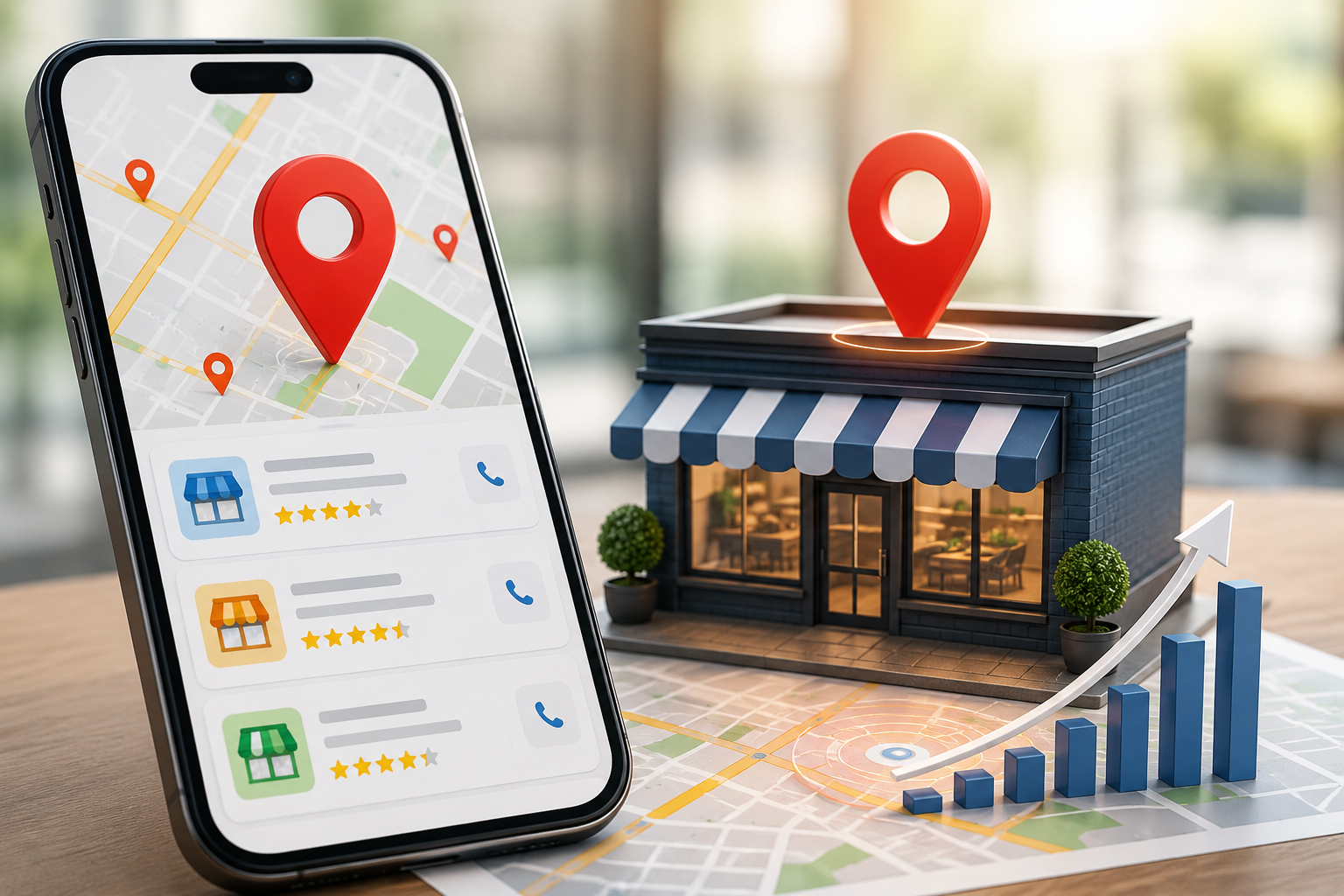
- Google Business Profile optimisation
- Location-specific service pages
- Local keyword research
- Accurate business information
- Customer reviews
- Local directories
- Relevant backlinks
- Community-focused content
For example, an NDIS provider serving Western Sydney could create useful pages that explain its services and coverage areas rather than publishing generic location pages.
In addition, maintaining consistent business information across online platforms can help strengthen local credibility.
NDIS Social Media Marketing
Social media can help NDIS providers remain visible between website visits and referrals.
Platforms such as Facebook, Instagram and LinkedIn can be used to share educational and brand content.

Instead of posting promotional messages repeatedly, create a balanced content mix.
For example:
Educational content
Explain NDIS services, common questions and useful information for participants and families.
Team content
Introduce support workers and other members of your organisation to help people understand the people behind your services.
Community content
Share suitable community activities, events and positive organisational updates.
Service content
Explain what your services involve and who may benefit from them.
Helpful tips
Answer questions that participants, families and referrers frequently ask.
Consistency is more important than posting a large amount of content for a short period. A realistic monthly content calendar can help providers maintain a professional and recognisable presence.
Content Marketing for NDIS Providers
Content marketing gives providers an opportunity to demonstrate knowledge and answer questions before someone makes an enquiry.
Blog topics could include:
- How to choose an NDIS provider
- Questions to ask before choosing disability support
- What is community access under the NDIS?
- How support workers can assist with daily living
- Understanding NDIS support services
- How families can compare NDIS providers
- What should you look for in an NDIS support worker?
Good content should be written for people first and search engines second.
The goal is not to repeat the phrase “NDIS provider” dozens of times. Instead, use related terminology naturally and provide genuinely useful information.
Use Local Marketing to Generate Better Enquiries
For many NDIS providers, attracting visitors from every part of Australia is less important than reaching people in the areas they actually service.
This makes local marketing particularly valuable.
A provider operating in Sydney, for example, could develop relevant location pages around the suburbs and regions it genuinely services.
However, location pages should provide useful local information rather than creating dozens of almost identical pages.
A strong local SEO strategy can combine:
- Google Business Profile
- Location-specific service pages
- Local keyword research
- Customer reviews
- Local directories
- Community partnerships
- Relevant backlinks
- Helpful local content
This can help create a stronger connection between your business and the communities you serve.
Measure Your NDIS Marketing Results
Marketing should be measured by meaningful business outcomes rather than simply website traffic.
Important metrics can include:
- Organic search traffic
- Keyword rankings
- Website enquiries
- Phone calls
- Contact form submissions
- Google Business Profile interactions
- Social media engagement
- Referral enquiries
- Conversion rate
For example, receiving 5,000 website visitors may look impressive, but if those visitors do not match your service area or generate enquiries, the traffic may have limited business value.
A smaller number of highly relevant visitors can be much more valuable.
Create a Consistent NDIS Marketing System
Successful NDIS Provider Marketing is usually not a single campaign.
It is an ongoing system.
Your website attracts visitors through SEO. Your content answers their questions. Your social media keeps your brand visible. Your Google Business Profile supports local discovery. Your branding creates recognition, while clear enquiry processes help turn interested visitors into conversations.

The individual channels work better when they support one another.
For example, a new blog article can be shared through social media. A service page can link to related educational content. A social media post can direct people to a useful website guide.
This creates a connected digital marketing ecosystem rather than isolated marketing activities.
7 Practical NDIS Marketing Tips
If you are starting or improving your marketing strategy, begin with these seven steps:
- Review your website and make sure your services are easy to understand.
- Create dedicated service pages for your most important NDIS services.
- Optimise your Google Business Profile with accurate business information.
- Research local keywords relevant to your services and locations.
- Publish useful content that answers genuine participant and family questions.
- Create consistent social media content rather than relying on occasional posts.
- Track enquiries and conversions so you can identify which channels generate results.
Final Thoughts
A strong NDIS Provider Marketing strategy is about more than advertising.
It is about making your organisation easier to find, easier to understand and easier to trust.
By combining SEO, website optimisation, local marketing, social media, content creation and consistent branding, NDIS providers can build a stronger digital presence and create more opportunities to connect with participants, families and referral partners.
The most effective strategy is one that reflects the real strengths of your organisation while providing clear, useful information to the people you want to support.
Frequently Asked Questions
NDIS Provider Marketing is the process of promoting an NDIS provider through digital and traditional marketing channels, including SEO, websites, social media, content marketing, branding and local marketing.
There is no single strategy that works for every provider. A combination of a professional website, local SEO, useful content, Google Business Profile optimisation and consistent social media can create a strong foundation.
SEO can help NDIS providers appear in search results for relevant service and location searches. The strategy should focus on useful content, technically sound websites and keywords that match genuine search intent.
Social media can help providers build awareness, communicate with their community and demonstrate their organisation’s values and expertise. Consistent, useful content is generally more effective than constant promotional posts.
Improving website conversion, targeting relevant local searches, publishing useful content, maintaining an active Google Business Profile and creating clear enquiry pathways can all contribute to generating more relevant enquiries.