
Choosing an NDIS provider is a significant decision for participants, families and support coordinators. Before making contact, many people research providers online to understand their services, values and reputation.
A professional website is essential, but social media has become another important channel for building trust and maintaining relationships. Through consistent and meaningful communication, NDIS social media marketing helps providers showcase their expertise, share valuable information and stay connected with their community.
For NDIS providers, social media is not only about posting updates. It is about creating a reliable online presence that reflects the quality of support they provide.
Why Social Media Marketing Matters for NDIS Providers
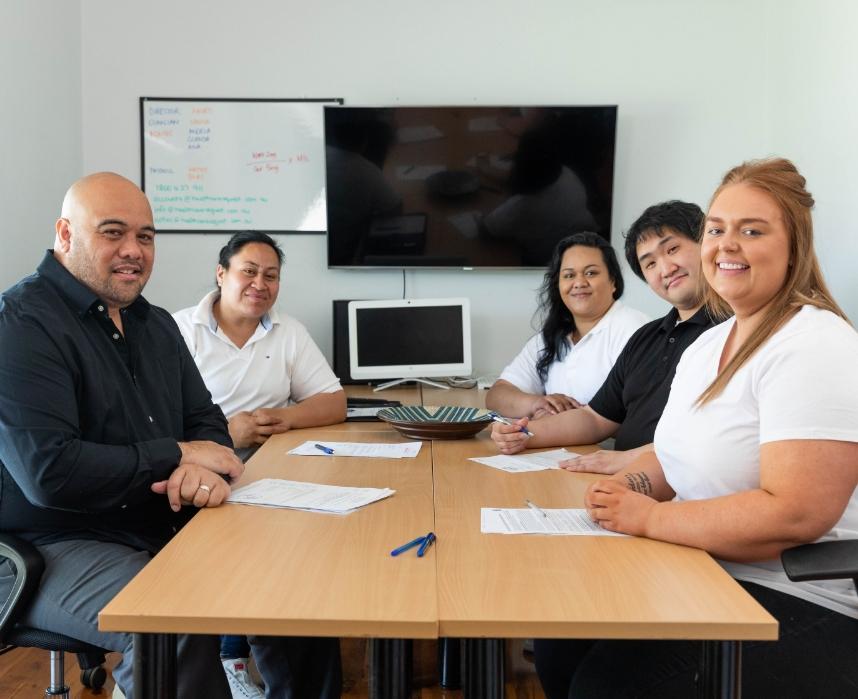
The NDIS sector is built around trust, relationships and personalised support. People want to know who they are working with and whether a provider understands their individual needs.
Social media gives NDIS providers the opportunity to communicate their mission, introduce their team and demonstrate their commitment to participants.
A strong social media presence can help providers:
- Increase brand awareness
- Build credibility with potential participants
- Strengthen relationships with families and communities
- Promote valuable disability support information
- Drive more visitors to their website
- Generate new enquiries
When used correctly, social media becomes a powerful extension of an NDIS provider’s digital marketing strategy.
Building Trust Through Authentic Social Media Content
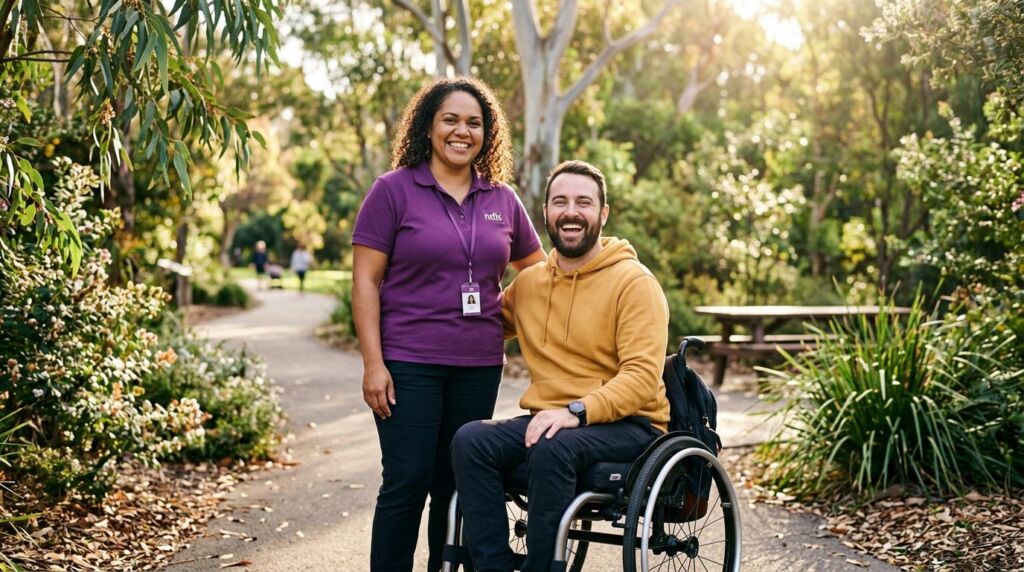
For NDIS providers, trust is one of the most important factors influencing decisions. People are more likely to contact organisations that appear professional, transparent and approachable.
Effective social media content should focus on showing the human side of your organisation.
Examples include:
Introducing Your Support Team
Sharing information about your staff helps potential participants understand the people behind your services.
Content ideas:
- Team introductions
- Staff experience and qualifications
- Employee stories
- Workplace culture
This type of content creates familiarity and helps potential clients feel more comfortable before making an enquiry.
Sharing Your Service Approach
Many participants and families want to understand how a provider delivers support.
Social media can explain:
- Your support process
- Your values
- How you personalise services
- What makes your approach different
Clear communication helps people understand what they can expect when working with your organisation.
Highlighting Community Involvement
Community-focused content can demonstrate your commitment beyond basic service delivery.
Examples:
- Community events
- Awareness campaigns
- Local partnerships
- Team activities
These posts help strengthen your reputation and show that your organisation is actively involved in supporting people.
Creating Valuable Content for NDIS Social Media Marketing
Successful NDIS social media marketing is based on providing value, not simply promoting services.
People are often searching for answers about the NDIS, funding options and available support. Educational content can position your organisation as a knowledgeable and trusted provider.
Useful content ideas include:
NDIS Education Posts
Examples:
- How NDIS funding works
- Understanding different support categories
- Tips for managing an NDIS plan
- Questions to ask when choosing a provider
Educational posts help simplify complex information and support better decision-making.
Participant-Focused Resources
Content should address the needs and concerns of your audience.
Examples:
- Preparing for your first support session
- Benefits of personalised disability support
- How support services can improve independence
- Daily living assistance information
This type of content attracts people who are actively looking for support solutions.
Website Content Promotion
Social media is an effective way to distribute your website content.
For example, when you publish an article about disability support services, sharing it across social platforms can:
- Increase website traffic
- Improve content visibility
- Encourage more enquiries
- Support your overall SEO strategy
Choosing the Right Social Media Platforms for NDIS Providers
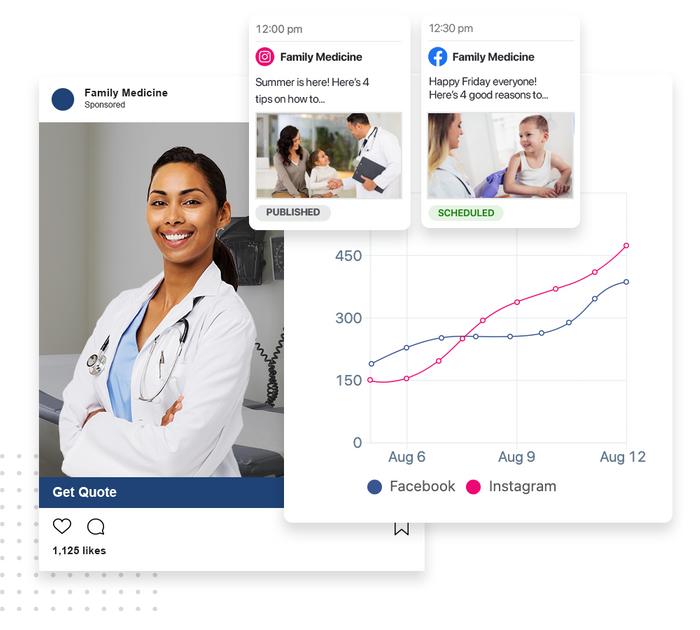
Not every platform serves the same purpose. NDIS providers should focus on channels where participants, families and referral partners are most active.
Facebook Marketing
Facebook remains one of the most useful platforms for NDIS providers.
It allows businesses to:
- Share updates
- Build community connections
- Promote educational content
- Communicate with local audiences
Facebook groups and local community pages can also help increase visibility.
Choosing the Right Social Media Platforms for NDIS Providers
Not every platform serves the same purpose. NDIS providers should focus on channels where participants, families and referral partners are most active.
Facebook Marketing
Facebook remains one of the most useful platforms for NDIS providers.
It allows businesses to:
- Share updates
- Build community connections
- Promote educational content
- Communicate with local audiences
Facebook groups and local community pages can also help increase visibility.
Local Social Media Marketing for NDIS Providers
Most NDIS services operate within specific regions, making local visibility extremely important.
Local social media marketing can help providers connect with nearby audiences by sharing location-focused content.
Examples:
- Disability support services in Sydney
- NDIS provider updates in Melbourne
- Local community participation events
- Regional support information
Combining local SEO with social media activity helps providers build stronger connections within their service areas.
Common Social Media Mistakes NDIS Providers Should Avoid
Posting Without a Clear Strategy
Random posts without a goal often produce limited results.
Each post should have a purpose, such as:
- Educating your audience
- Building trust
- Increasing engagement
- Encouraging enquiries
Only Promoting Services
Social media should not become a constant advertisement.
A better approach is to balance promotional content with:
- Helpful information
- Community stories
- Educational resources
- Team updates
Ignoring Engagement
Social media is designed for communication.
Responding to comments and messages shows that your organisation is accessible and values relationships.
Using Low-Quality or Generic Content
Professional audiences expect reliable information.
High-quality images, clear writing and authentic stories help create a stronger brand impression.
Developing a Long-Term NDIS Social Media Strategy
Successful social media marketing requires consistency.
A long-term strategy should include:
- Understanding your target audience
- Planning regular content
- Sharing valuable information
- Monitoring engagement
- Improving content based on results
The goal is not simply to gain followers. The goal is to create meaningful connections that support business growth.
How Professional Social Media Marketing Helps NDIS Providers
Managing social media effectively requires time, planning and industry understanding.
Professional social media marketing for NDIS providers can help organisations:
- Create consistent brand messaging
- Improve online visibility
- Reach more participants
- Build stronger community relationships
- Support website and SEO growth
With the right strategy, social media becomes a valuable tool for increasing awareness and generating quality enquiries.
Conclusion
NDIS social media marketing plays an important role in helping providers build trust, communicate their services and connect with participants.
By sharing useful information, showcasing authentic stories and maintaining an active online presence, providers can create stronger relationships with their community.
A successful digital strategy combines social media, SEO and a professional website to help NDIS providers grow sustainably in an increasingly competitive online environment.

FAQ
Social media helps NDIS providers build trust, increase brand awareness and connect with participants who are searching for support services.
Facebook, Instagram and LinkedIn are commonly used platforms for sharing information, building relationships and promoting services.
Yes. Sharing valuable content through social media can drive visitors to your website and support overall online visibility.
Consistent posting is more important than posting frequently. A planned content schedule helps maintain engagement and visibility.
Educational resources, team introductions, community updates and participant-focused information are effective content types for NDIS providers.